








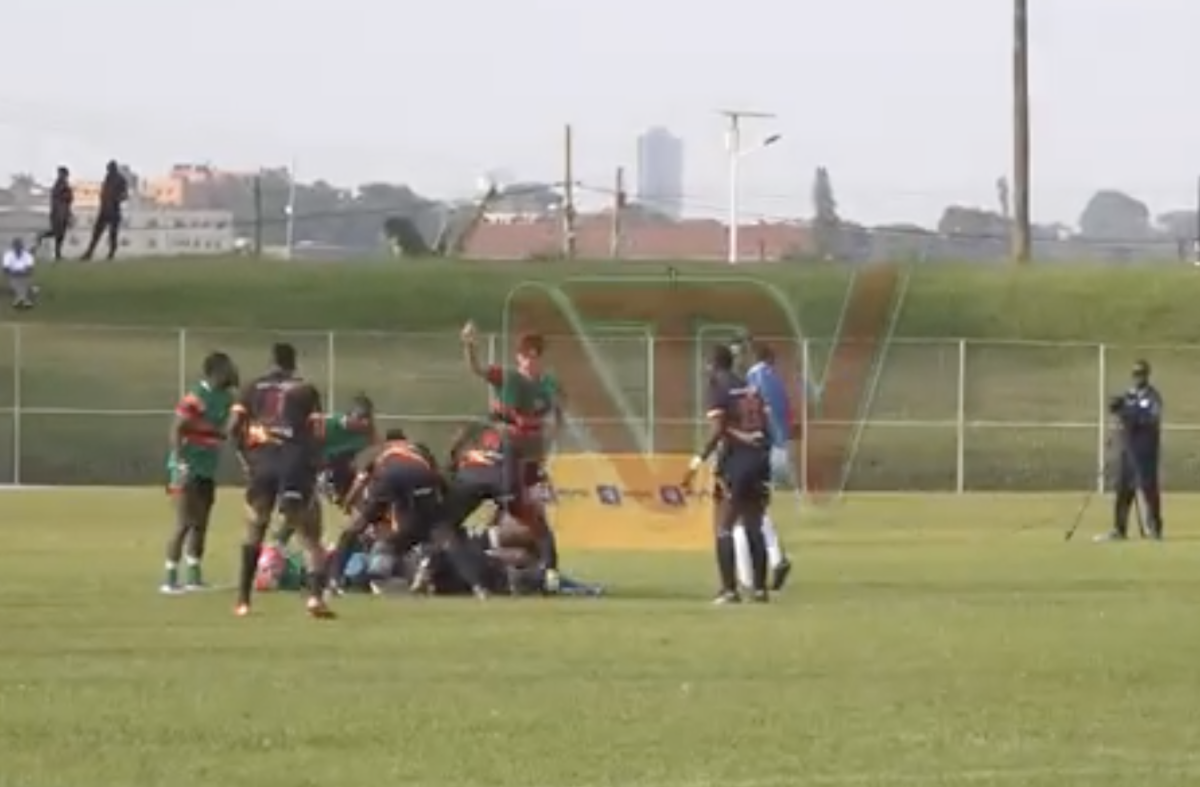
Home advantage is one of sport’s oldest, most reliable currencies. On Saturday at Muteesa II Stadium in Wankulukuku, Uganda’s Under-20 rugby side spent it wisely, opening their 2026 Rugby Africa Barthes Trophy campaign with a victory over Zambia that sent the home crowd into a satisfying frenzy.
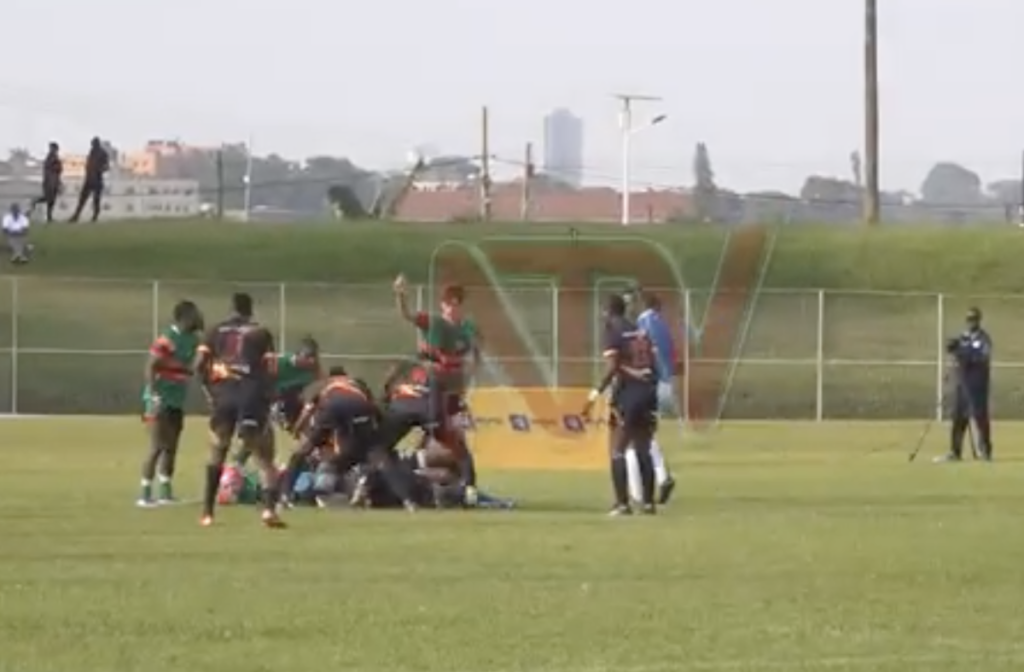
The result matters beyond the scoreline. This is a tournament with real stakes attached. The Rugby Africa U20 Barthes Trophy serves as a direct pathway to the World Rugby U20 Trophy, meaning every match is essentially a job interview for a global stage. Uganda’s young players know that. You could see it in the intensity they brought from the first whistle.
What the Barthes Trophy Actually Means
For anyone new to African rugby’s development structure, a quick primer: the Barthes Trophy is the continent’s premier under-20 competition, designed to identify and sharpen the next generation of African rugby talent. It is named after Pierre Barthes, a towering figure in the history of Rugby Africa, and it carries weight both symbolically and practically.
The practical weight is what drives the competition. Performing well here is one of the clearest routes a young African rugby player has to compete on the world stage. The World Rugby U20 Trophy sits just beyond this tournament for those who impress, offering exposure to teams and systems far beyond the African continent. For coaches, scouts, and players alike, the Barthes Trophy is where reputations begin to form.
Uganda knows this well. The national U20 programme has been building steadily, and hosting this year’s edition at Wankulukuku adds a layer of responsibility that cuts both ways. The crowd provides energy, but expectation can be a weight of its own.
Wankulukuku as a Stage
Muteesa II Stadium in Wankulukuku is one of Uganda’s most recognisable sporting venues. It has hosted football, athletics, and various national events over the years, carrying the kind of lived-in character that only decades of sport can produce. For Uganda’s young rugby players, running out there in front of a supportive home crowd is a privilege, not an entitlement, and the squad appeared to understand that distinction fully.
Zambia arrived as a competitive side. Any assumptions about easy pickings would have been badly misplaced. Rugby across eastern and southern Africa has grown meaningfully in depth and organisation, and Zambia’s programme reflects that growth. Getting the better of them requires genuine quality, not just enthusiasm.
The Significance of a Host Nation Win
When a host nation wins its opening match, the tournament gains an energy that benefits everyone, not just the home side. Crowds grow. Local media attention sharpens. Sponsors take notice. Younger players watching from the stands begin to see the game differently. A Uganda win over Zambia is therefore not simply three points in the standings; it is a statement that the organisers got something right in choosing this venue, this city, and this moment.
The tournament runs until August 11, which means the competition is far from settled. Other sides will be watching Uganda’s opener carefully, looking for patterns, weaknesses, and tendencies to exploit. The work done on Saturday buys confidence, not comfort.
A Programme on the Rise
Uganda’s investment in rugby at the youth level has been deliberate and patient. The logic is straightforward: the senior national team, the Rugby Cranes, can only be as strong as the pipeline feeding it. Investing in U20 competition, coaching infrastructure, and pathway tournaments like the Barthes Trophy is how sustainable rugby nations are built.
Winning on home soil against continental opposition is the kind of experience that accelerates development faster than any training session. Pressure, crowd noise, consequence, and pride converge in a way that is impossible to replicate in practice. Saturday’s match gave Uganda’s young squad exactly that.
With several more matches still to come before August 11, the real test of this group’s character lies ahead. Winning an opener is one thing. Maintaining the standard when fatigue, nerves, and tougher opponents arrive is quite another. That is where tournaments are truly won and lost.
Will Uganda’s Under-20 side hold their nerve through the rest of the competition and punch their ticket toward the World Rugby U20 Trophy? Follow the action from Wankulukuku closely and let us know in the comments: do you think this is Uganda rugby’s most promising young generation yet?