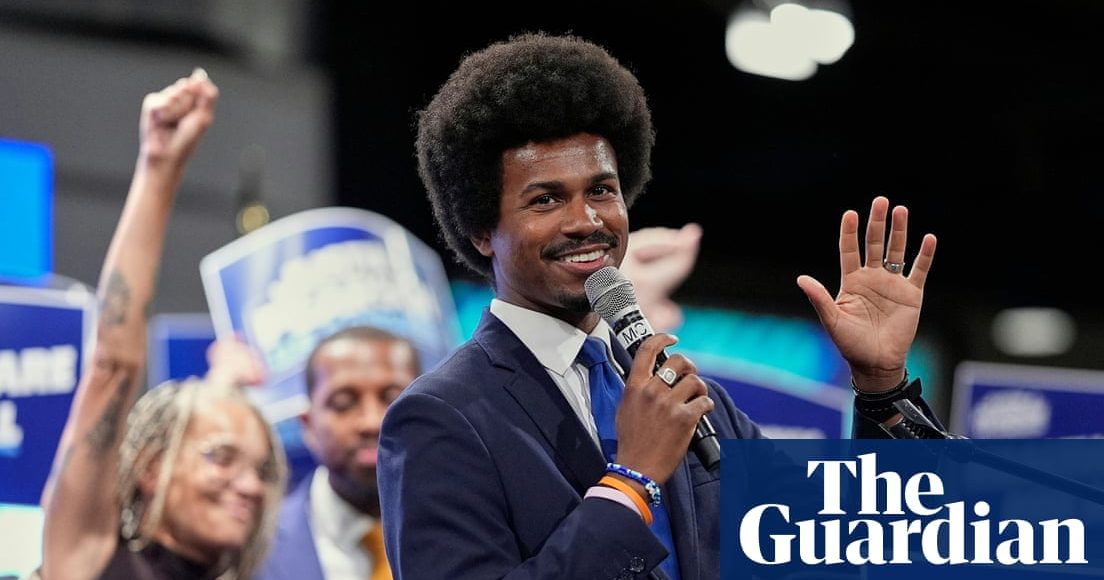
Memphis delivered its verdict on Thursday, August 6, 2026, and the result was exactly the kind of high-voltage collision that political strategists on both sides of the aisle have been bracing for all year. Tennessee primary voters locked in the two candidates who will fight for a dramatically redrawn US House seat this November, setting up a race that carries consequences far beyond the state’s borders.
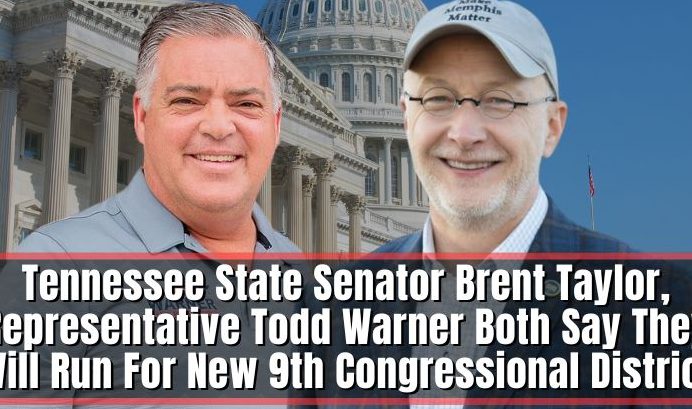
The Candidates Who Made It Through
On the Republican side, state senator Brent Taylor secured the nomination with the backing of former President Donald Trump, whose endorsement in a competitive primary continues to carry enormous weight with the GOP base. Taylor now carries Trump’s brand into what promises to be a fiercely contested general election in a reconfigured district.
Democrats, meanwhile, chose state representative Justin Pearson, a figure whose profile transcends the usual boundaries of a down-ballot race. Pearson shot to national attention three years ago when he was expelled from the Tennessee House of Representatives after participating in a protest calling for stricter gun control measures. That expulsion, widely covered and widely debated, transformed him from a state lawmaker into a symbol for a generation of activists who see institutional pushback as confirmation that they are over the target.
Why the 9th District Matters This Much
The seat itself is the story within the story. The 9th congressional district has been redistricted, essentially rebuilt, and it now sits at the center of Republicans’ calculations for holding on to their slim majority in the House. When margins in the chamber are razor-thin, every single seat becomes a pressure point. Lose a handful in the wrong places, and a majority can evaporate by January.
That is precisely why this Tennessee primary result drew immediate national attention. A redrawn district in a Southern state might sound like inside baseball, but when the House majority is this fragile, nowhere is truly safe ground for either party.
The Significance of Redistricting
Redistricting is rarely an accident. Lines get drawn, populations shift on paper, and what was once a safe seat can become genuinely competitive overnight. The revamped 9th district appears to be one of those creations that invites real competition rather than rubber-stamping incumbency. Both parties would not be pouring attention into this race otherwise.
For Republicans, holding the seat means defending Trump’s legislative agenda in Congress. For Democrats, flipping it means chipping away at a majority they need to neutralize before the next presidential cycle. Every fundraising email, every campaign stop, every debate moment between now and November will be calibrated with that calculation in mind.
Pearson’s Political Journey: From the House Floor to the Campaign Trail
Justin Pearson’s road to this moment is genuinely unusual by the standards of American political biography. Being expelled from a legislative chamber is not typically a launchpad for higher office. It tends to end careers, not accelerate them. But Pearson’s case played out differently. His expulsion resonated with voters who felt shut out of the very institutions meant to represent them, and rather than retreating, he returned to the Tennessee House after being reinstated, rebuilding his standing and eventually earning the Democratic nomination for a congressional seat.
That arc carries real political energy. Voters who feel that the system has been weaponized against people who speak inconvenient truths tend to rally hard around candidates whose biographies prove the point. Whether that energy translates into votes in a redrawn district with a potentially different electorate than the one that first sent Pearson to the state house remains the central question of his campaign.
What Taylor Brings to the Race
Brent Taylor arrives in the general election with something equally powerful in the current Republican environment: a presidential seal of approval. Trump’s endorsement did not just help Taylor win the primary; it frames the entire general election as a test of whether the former president’s pull extends into competitive, redesigned districts. If Taylor wins, it is a data point for the Trump machine heading into cycles beyond 2026. If he loses, it invites uncomfortable questions about the limits of that influence in newly drawn suburban and urban-adjacent territory.
The Bigger Picture for November
The House majority in 2026 is not being decided in one state or one district. It is being assembled piece by piece across dozens of competitive races. But Memphis and its surrounding political geography represent the kind of contest that can become a bellwether, the race that cable news anchors point to on election night when they start making calls about who controls the chamber.
Both parties will flood this race with money, volunteers, and attention between now and November. The advertising will be relentless. The ground game will be intense. And the outcome will say something meaningful not just about Tennessee, but about whether the political realignments shaping American politics right now are as durable as each side believes them to be.
With two candidates who each carry a distinct and charged national narrative into the general election, the 9th district is shaping up to be one of the most closely watched contests of the entire midterm cycle. The question voters in Memphis and across the district will ultimately answer is this: which story about America do you believe in more, and which candidate do you trust to carry it to Washington?