
For any TikTok creator who has ever watched their carefully edited Marvel montage or lovingly assembled Toy Story tribute get muted or pulled down within hours of posting, August 2026 arrives with something that feels almost surreal: official permission. Disney and TikTok have agreed a licensing deal that will let content creators use clips from Disney’s vast catalogue of films and television shows in their videos, without the constant threat of a copyright strike wiping out their work.
The agreement, reported by the BBC, covers not just Disney’s core library but also its subsidiaries, meaning the likes of the Marvel Cinematic Universe, the Star Wars galaxy, and the Toy Story franchise are all included. The scheme launches first in the United States before a broader international rollout, and neither company has disclosed the financial terms of the arrangement.
Why This Deal Matters More Than It Might Seem
On the surface, this looks like a sensible commercial handshake between a legacy entertainment giant and the most culturally dominant short-form video platform on earth. But dig a little deeper and it represents something far more significant: a fundamental rethink of how Hollywood relates to its own audience.
Social media analyst Matt Navarra put it plainly when speaking to BBC News. “Disney owns some of the world’s biggest franchises but ownership of attention is shifting towards creators,” he said, adding that Hollywood once marketed at fans, but now needs to give fans the raw materials to market alongside it. That is not a minor tactical adjustment. That is a structural admission that the old broadcast model, where studios push content outward and audiences simply receive it, no longer holds the same power it once did.
TikTok’s own numbers back this up. The platform recorded an average of 6.5 million posts related to film and television every single day last year. Fans are not passively consuming stories anymore. They are remixing them, reacting to them, building entire creative identities around them. Disney’s move acknowledges that truth rather than fighting it.
The OpenAI Chapter That Quietly Closed
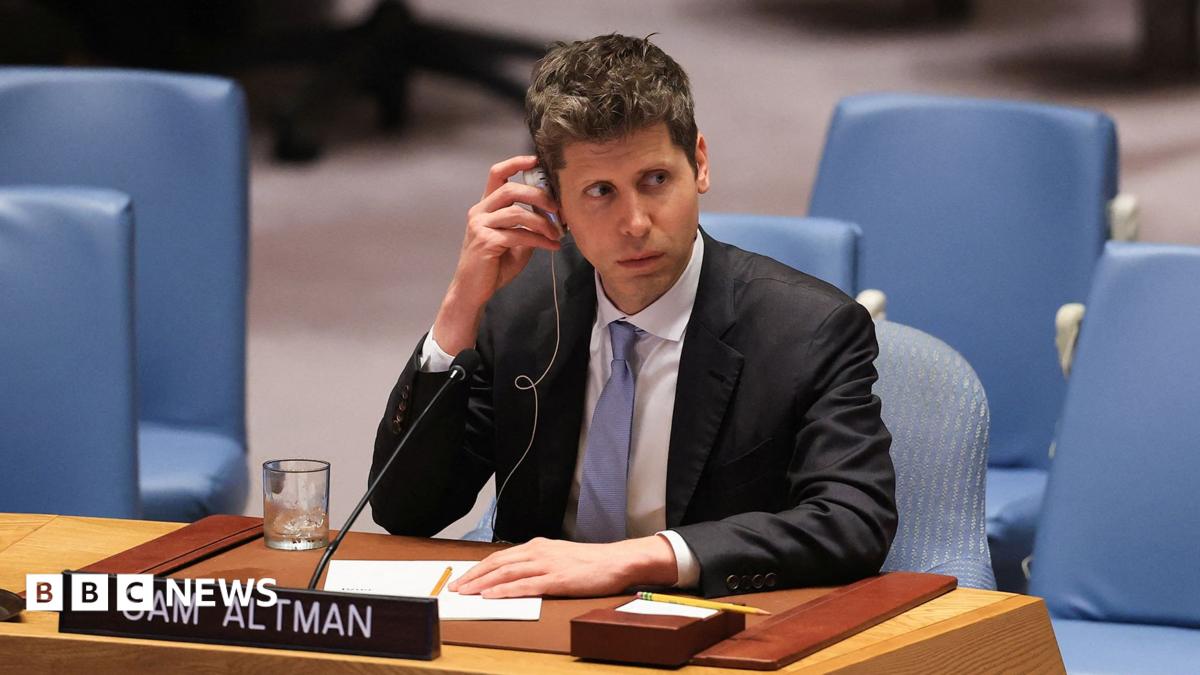
This TikTok agreement also arrives in the shadow of a much more ambitious deal that never made it off the ground. Disney had been in discussions with OpenAI over an arrangement reportedly worth around one billion dollars, which would have allowed people to use Disney characters inside AI-generated videos. The deal collapsed in March when OpenAI shut down its AI video generation tool Sora, citing a shift in its business priorities. That left Disney without its AI content partnership and, presumably, looking at alternative ways to put its IP in front of the creator economy.
The TikTok deal is a different beast entirely. Where the OpenAI arrangement would have enabled something new and synthetic, this agreement works with existing creative behaviour rather than trying to engineer fresh forms of it. Fans already make these videos. They already reach for Star Wars clips when building a motivational edit, or pull a Pixar moment when they want to make someone cry in under thirty seconds. The deal simply removes the legal jeopardy from something millions of people were already doing anyway.
Verts and the Platform Play
There is another layer worth noting. Content shared under this deal will also appear on Verts, Disney’s own short-form video platform. That detail is easy to overlook amid the headline news, but it speaks to Disney’s ambition to build a creator ecosystem that feeds back into its own digital infrastructure. TikTok gets the content energy and creator engagement it thrives on. Disney gets distribution reach and, through Verts, a pipeline of fan-generated content that keeps its franchises alive and visible between major release cycles.
It is a clever bit of architecture. Rather than spending hundreds of millions on traditional marketing campaigns to remind people that the Marvel universe exists between film releases, Disney can now rely partly on an army of enthusiastic creators doing that work organically, and legally, on its behalf.
What This Means for Creators on the Ground
For the creators themselves, the change is genuinely liberating. Copyright law around fan content has long been an uncomfortable grey area. Studios technically own their footage, and automated content ID systems on platforms like YouTube and TikTok have historically been blunt instruments, flagging and removing videos with little nuance. Passionate fans would spend hours crafting something, post it, and watch it disappear within a news cycle.
Disney’s chief marketing and brand officer Asad Ayaz framed the deal through the lens of fan celebration, noting that fans are now marking their connection to Disney’s stories in entirely new ways. That framing is warm and it is also strategically smart. By positioning creators as celebrants rather than infringers, Disney repositions itself as a generous collaborator rather than a litigious IP guardian, and that is a significant brand shift for a company that has historically defended its intellectual property with considerable vigour.
A New Playbook for Hollywood
Whether other studios follow Disney’s lead will be one of the more interesting business stories to watch over the coming months. Warner Bros., Universal, Sony and others all face the same cultural reality: their most passionate audiences are also their most active content creators, and those creators are currently working around copyright restrictions rather than with them. A licensing framework that welcomes fan creativity rather than suppressing it could become the new standard, or it could remain a Disney-specific experiment.
Either way, the deal signals that the relationship between entertainment giants and their audiences is being renegotiated in real time. The old walls around IP are not crumbling exactly, but doors are opening that were firmly shut just a few years ago.
The question worth sitting with is this: if fans are now the most effective marketing force studios have, what happens to the traditional film promotion machine, and who really holds the power in Hollywood’s next chapter?