










Gaming just became a more expensive hobby. Microsoft has raised the retail price of its Xbox consoles across the globe, with the flagship Xbox Series X, the one that still takes a disc, now sitting at a steep £670 in the UK. That is a full £170 more than its previous £500 price point, and the kind of jump that is going to land hard for anyone who was waiting to buy.
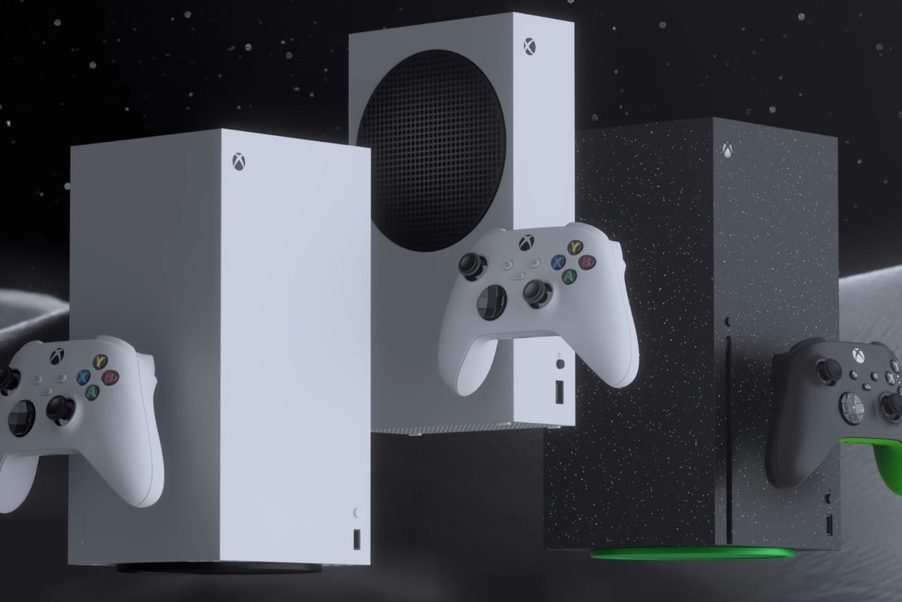
The entry-level Xbox Series S has not escaped either. That console, once positioned as the affordable gateway into the Xbox ecosystem at £300, now costs £430, a rise of roughly 43%. For context, that is almost half again what it used to cost. If you were saving up, you are now further behind than you thought.
Why Is This Happening Now?
Microsoft has been clear about where it is pointing the finger. The company publicly acknowledged back in June that it had hoped another price increase would not be necessary, a statement that reads more like a reluctant confession than a corporate press release. The culprit, according to the company, is the surging cost of storage and memory components, the chips that give a console its speed, responsiveness, and ability to store games.
At the centre of this is random-access memory, better known as RAM. Once a relatively inexpensive component that sat quietly inside computers and gadgets handling short-term memory tasks, RAM has seen its price shoot upward in recent times. A significant part of that is demand from artificial intelligence companies, who require enormous quantities of high-performance memory chips to train and run AI models. When tech giants are competing for the same components, the cost ripples outward, and consumers end up absorbing the difference.
Xbox Is Not Alone in This
This is not a Microsoft-specific crisis. The broader gaming and consumer tech industry is feeling the same squeeze, and the companies responding to it are starting to form a very recognizable pattern.
Sony moved first, raising the price of the PlayStation 5 by £90 back in March, also citing hardware component costs. Valve, the company behind Steam and the popular PC-gaming handheld experience, launched its latest Steam Machine as a PC-console hybrid at a price considerably higher than many in the gaming community had anticipated. Both companies gave the same basic explanation: the parts needed to build their devices simply cost more now, and those costs have to go somewhere.
What we are watching, essentially, is an industry-wide repricing of gaming hardware in real time, driven by a supply chain reality that has very little to do with the games themselves and everything to do with the global appetite for AI infrastructure.
The Numbers Across Different Markets
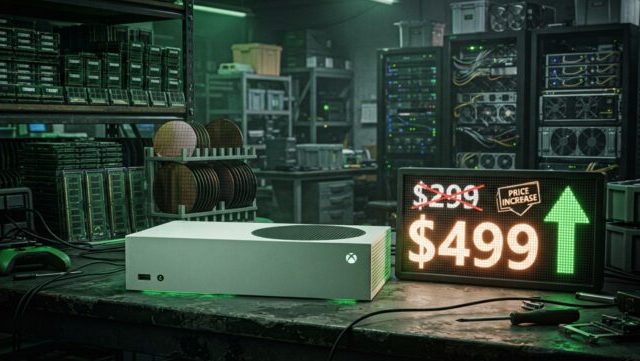
The price changes are not limited to the UK. In the United States, Microsoft’s most basic console offering went up by $100, bringing it to $499. The premium tier, the model with expanded memory, jumped by $150 to reach $749. European customers have seen similar movements, with the Xbox Series S variant carrying extra storage now costing roughly €200 more than it did before the revision.
These are not cosmetic adjustments. These are structural price resets, and they signal that the era of relatively affordable next-generation gaming hardware may be drawing to a close, at least for the foreseeable future.
What This Means for Everyday Gamers
For the casual buyer, the person who was eyeing an Xbox as a birthday gift or a household entertainment upgrade, the maths just got awkward. A £670 console is no longer an impulse purchase or even a straightforward aspiration. It is a serious financial commitment, competing for budget space alongside rent, energy bills, and everything else pressing down on household spending.
The worry for Microsoft and the industry at large is that price sensitivity at this level does not just delay purchases. It redirects them. Gamers who balk at console prices may drift toward PC gaming, mobile gaming, or subscription-based cloud platforms where the hardware barrier does not exist in the same way. The companies raising prices are betting that their audiences are loyal enough to stay. That is a wager with real stakes.
There is also a broader irony worth sitting with. The AI industry, which is partly responsible for driving up the cost of the very components that make modern gaming hardware work, is simultaneously one of the fastest-growing sectors in tech. The GPU and RAM demands of large language models and image generators are, in a very direct sense, making your next Xbox more expensive. Technology is eating itself, and the bill is landing on gamers.
Is There Any Relief in Sight?
That depends on how quickly memory chip production can scale to meet global demand, and whether AI companies’ hunger for compute resources stabilizes or keeps growing. Neither of those questions has a clean answer right now. What is clear is that no major console manufacturer is forecasting a price rollback anytime soon.
For now, Xbox owners and prospective buyers are left adjusting to a new normal where gaming hardware costs significantly more than it did even a year ago, with little indication of when, or if, that changes.
So here is the question worth asking: at what price point does the console gaming market start to lose you, and where would you go instead?