







Uganda’s dfcu Bank is not waiting for customers to walk through its doors. In a bold shift that signals where Ugandan banking is headed, the lender launched its Wenja Amaja campaign on July 10, 2026, a four-month initiative running through October 31 designed to pull more Ugandans into the formal financial system by taking banking services directly into their communities, markets, and daily routines.

The name alone carries intention. “Wenja Amaja” speaks to the idea of creating pathways, and that is precisely what dfcu is trying to do. Not just within its existing network, but beyond it, through agents, merchants, digital channels, and partnerships that make a bank account feel less like a bureaucratic exercise and more like a practical tool people actually use.
The Strategy: Fewer Queues, More Access
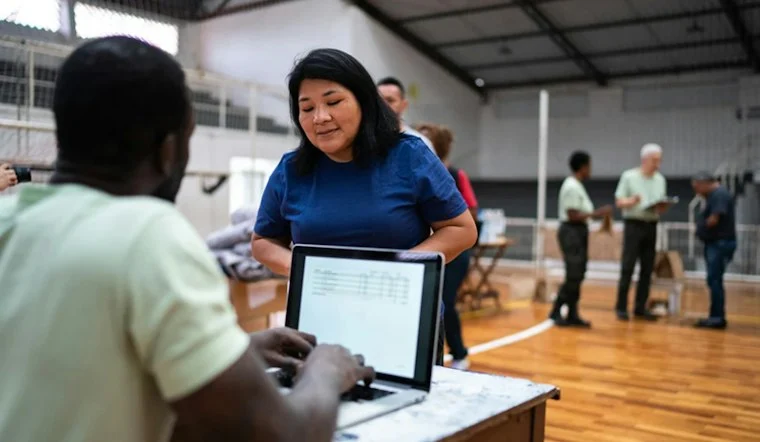
At the center of this campaign is a straightforward but important idea: banking should meet people where they are, not where the bank is. Mathias Jumba, Head of Integrated Channels at dfcu Bank, has been direct about what the campaign is designed to achieve. He described it as a way to grow the customer base, strengthen the agent and merchant network, mobilize deposits, and bring more Ugandans into formal banking through channels they already interact with every day.
For a country where physical branch penetration still leaves large swaths of the population underserved, that framing matters. A branch in Kampala does not help a trader in Gulu, a farmer in Mbale, or a market vendor in Masaka. Agent banking, by contrast, creates local touchpoints run by community members who operate within walking distance of people who might otherwise never step into a formal bank.
Jumba put it plainly: agent banking extends the bank’s reach beyond its physical footprint, cutting travel time and making routine transactions accessible in places where a branch may never be built. That is not a minor convenience. For many Ugandans, travel to a distant branch is a full day’s commitment, a cost in time and transport money that quietly discourages banking altogether.
What You Can Actually Do Through dfcu Agents
The practical scope of what dfcu agents can handle during this campaign is worth spelling out, because it goes well beyond basic cash handling. Customers can make cash deposits, pay utility bills, and settle accounts with a range of providers including the National Water and Sewerage Corporation, the National Social Security Fund, the Uganda Electricity Distribution Company Limited, as well as entertainment and insurance services like DStv, GOtv, and Jubilee Insurance.
That list is significant. It covers the essential financial obligations that most Ugandan households manage monthly. When those payments can be made at a local agent rather than requiring a trip to a utility office or a bank branch, the friction drops, and compliance with those obligations often rises with it. People pay their bills when paying is easy.
Who the Campaign Is For
dfcu has kept the door wide open on participation. Wenja Amaja is accessible to existing customers, people who have never banked with dfcu before, agents, merchants, Super-Dealers, and even eligible staff members involved in growing the bank’s customer and agency network. The inclusion of the network side of the equation is deliberate. This is not just a customer acquisition drive. It is also a recruitment and capacity-building push for the people who will actually deliver banking services at the community level.
Agents and merchants who join or grow their operations during the campaign period stand to benefit from the expanding customer traffic that a well-promoted financial inclusion drive tends to generate. When more people are encouraged to use formal banking, every agent in the network sees more footfall. That is the kind of alignment between the bank’s growth and the agent’s livelihood that makes these ecosystems sustainable rather than one-sided.
Why This Moment Matters for Uganda’s Financial Sector
Uganda’s financial inclusion numbers have improved over the past decade, but the gap between formal banking penetration and the country’s adult population remains meaningful. Mobile money has done extraordinary work in bringing Ugandans into digital transactions, but mobile money and formal banking are not the same thing. Savings, credit history, structured deposits, and access to lending products all require formal banking infrastructure. Campaigns like Wenja Amaja are, in part, a bridge between the mobile money user and the formal bank customer.
dfcu is not alone in pursuing this direction. Across sub-Saharan Africa, banks have increasingly recognized that the branch-centric model has limits, both in cost and in reach. The banks that are winning the next generation of customers are the ones building dense, accessible networks that feel less like visiting an institution and more like running a quick errand. dfcu’s campaign sits squarely within that trend, with a local name, a clear timeline, and a network that stretches from Super-Dealers down to individual community agents.
The Bigger Picture
What Wenja Amaja ultimately represents is a bank making a public bet that financial inclusion is not charity work. It is good business. A larger customer base, a stronger deposit pool, a more resilient agent network, and a population that trusts formal banking enough to use it consistently, those are commercial outcomes dressed in the language of inclusion. That is not cynical. It is actually the most durable form of inclusion there is, the kind that survives because it is profitable, not just because it is admirable.
The campaign runs until the end of October 2026. Whether it delivers on its ambitions will depend on execution at the community level, on agents who show up, merchants who promote the services, and customers who try formal banking and find it worth returning to.
If dfcu gets that right, Wenja Amaja could be more than a seasonal campaign. It could be the moment the bank meaningfully shifted how Uganda thinks about where banking happens. Will other Ugandan lenders be watching closely enough to follow suit?