








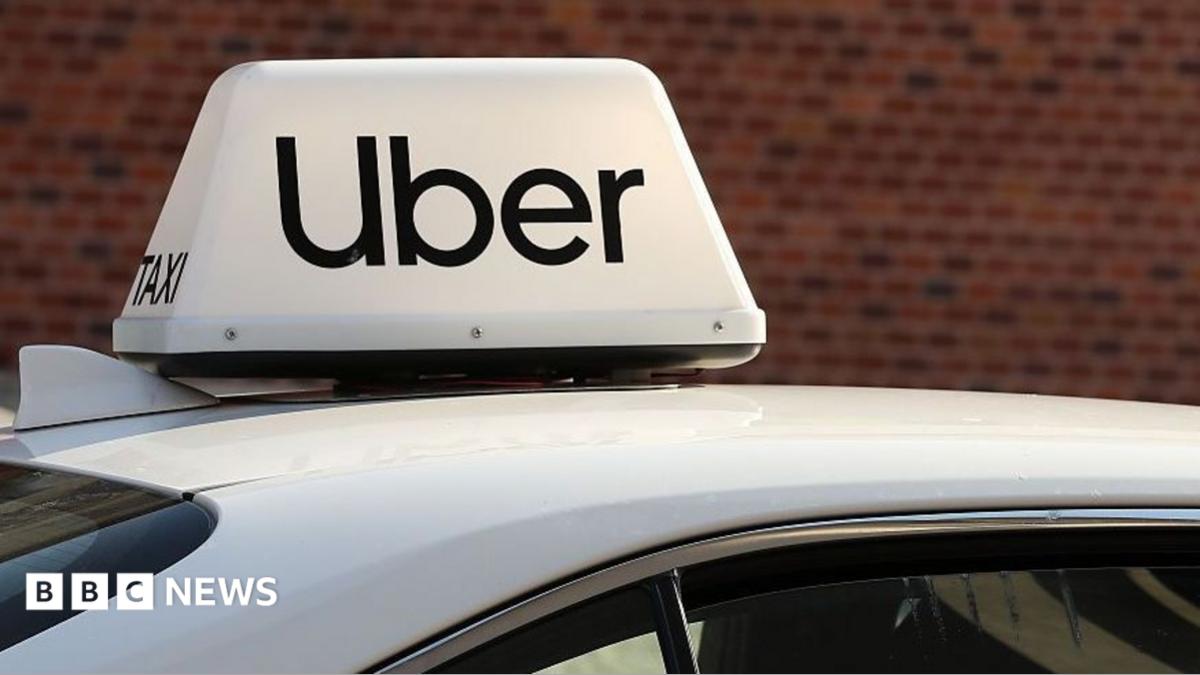
Uber is axing more than 3,000 jobs worldwide, a cut that amounts to roughly 10% of its total global workforce and rolls headcount back to where it stood in 2021. The San Francisco-based ride-hailing and delivery giant confirmed the reductions on September 2, 2026, with chief executive Dara Khosrowshahi framing the move not as a retreat, but as a deliberate reset before what he calls the company’s most significant growth phase yet.
Too Many Cooks, Too Many Layers
In a candid email to staff, Khosrowshahi laid out a diagnosis that many inside large tech companies quietly acknowledge but rarely say out loud: rapid hiring created bloat, and bloat killed speed. Uber, he argued, had accumulated too many management tiers and too many small, fragmented teams that collectively dragged decision-making to a crawl. The solution, in his view, was surgical rather than symbolic.
According to reporting on the restructuring, the cuts will affect both managerial and non-managerial staff, and Uber plans to absorb many of its smallest units into larger, consolidated teams. The company has not publicly confirmed which cities or regions will absorb the heaviest losses, leaving thousands of employees in a state of uncertainty across its global offices.
The math behind the decision is stark. A 10% reduction signals that Uber is not trimming at the edges. It is redesigning the organisation from the inside out, and that kind of ambition rarely comes without significant human cost.
Markets Liked What They Heard
Wall Street, characteristically unsentimental, responded warmly. Uber shares climbed nearly 2% in the wake of the announcement, a signal that investors had been waiting for precisely this kind of discipline from a company that spent years prioritising growth over efficiency. The market’s reaction reflects a broader shift in how tech companies are being evaluated right now. Profitability, operational focus, and structural clarity matter more than headcount or product sprawl.
That shift in investor appetite has been building for a few years, and Uber’s move is one of the more dramatic expressions of it. Companies that once wore their workforce size as a badge of ambition are now finding that slimmer organisations attract more confidence from the people who hold the purse strings.
The Autonomous Vehicle Angle
What makes this restructuring particularly interesting is its timing. Uber is not cutting to survive. It is cutting to redirect. Khosrowshahi has been open about the company’s deepening investment in autonomous vehicle partnerships and its push to expand robotaxi operations alongside its existing ride-hailing and delivery businesses. That future requires capital, and capital freed up from management overhead can go a long way.
The robotaxi space is heating up fast. Competitors are moving aggressively, and Uber knows that showing up to that race with a slow, bureaucratic structure would be a serious liability. By thinning out its internal layers now, the company is trying to build the kind of operational agility it will need when autonomous mobility shifts from pilot programmes to mainstream scale.
A Simpler, Faster Uber
Khosrowshahi used two words repeatedly in his internal communications: simpler and faster. Those two words are doing a lot of work. They suggest a company that has reflected honestly on its own dysfunction and chosen to act, even at considerable social and reputational cost. Laying off more than 3,000 people is never a clean or comfortable decision, and the communities around those workers will feel the ripple effects well beyond the company’s balance sheet.
Yet from a strategic standpoint, the logic is hard to argue with. Organisations that allow middle-management layers to multiply often find themselves unable to respond quickly to market changes. For a company operating across ride-hailing, food delivery, freight, and now autonomous transport, the risk of internal gridlock is not theoretical. It is existential.
What Comes Next for Uber Workers and the Industry
For the thousands of employees facing redundancy, the coming weeks will be difficult. The tech job market has cooled considerably from the frenzied hiring conditions of 2020 and 2021, meaning those leaving Uber will step into a more competitive landscape than the one many of them entered.
For the broader tech industry, Uber’s restructuring adds to a growing list of high-profile workforce reductions at major companies over the past two years. Each one sends a message about how the sector is recalibrating after a period of extraordinary, and arguably unsustainable, expansion. Efficiency is the word of the moment, and companies that resist that reality are finding it increasingly hard to justify their valuations.
Uber built its reputation on disruption, on moving fast and rewriting the rules of transportation and logistics. Now it is applying that same instinct inward, disrupting its own structure in pursuit of a leaner identity. Whether that bet pays off depends on how effectively the company executes the integration of its smaller teams, how quickly it can channel savings into meaningful autonomous vehicle progress, and whether the culture that remains after the cuts can sustain the momentum Khosrowshahi is banking on.
One thing is clear: the Uber that emerges from this overhaul will look and operate differently from the one that entered 2026. The question worth asking is whether stripping back to 2021 staffing levels will genuinely unlock future-ready performance, or whether the company has cut deeper than its ambitions can afford.