











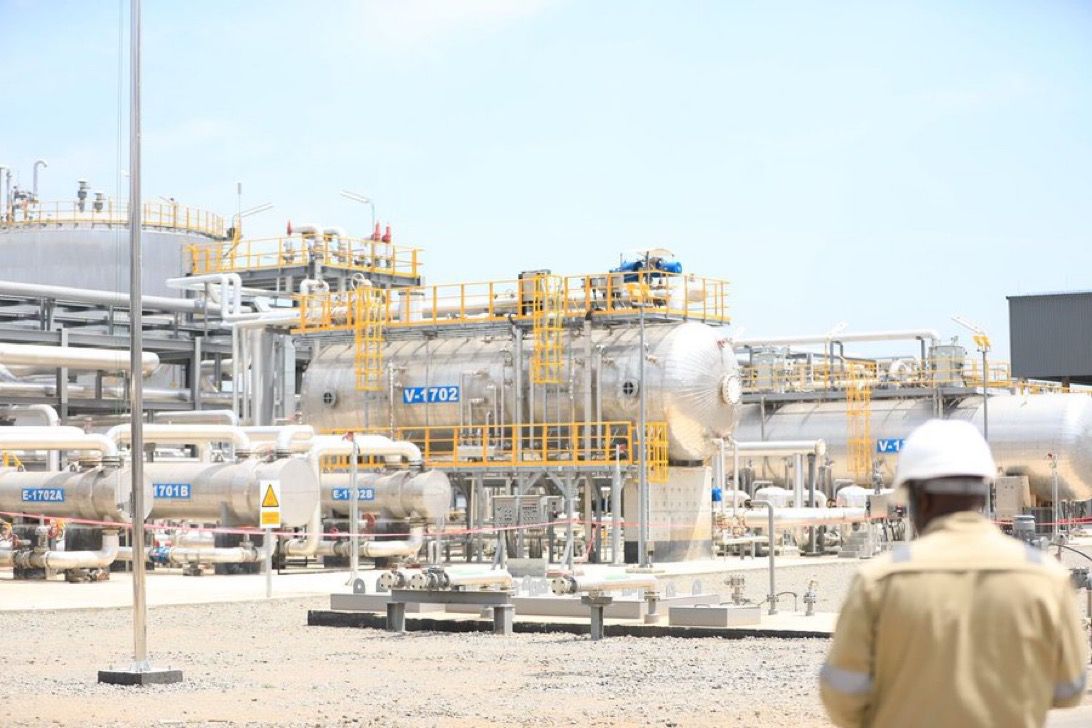
Uganda has given its crude oil a name, and that name is doing a lot of quiet, intelligent work. At the Kingfisher Development Area in Kikuube District, the Uganda National Oil Company formally unveiled the country’s commercial petroleum brand: Pearl Sweet. The launch marks a significant milestone for a landlocked East African nation that has spent years drilling, planning, and waiting to bring its oil wealth to a global market that moves fast and forgives nothing.
But the name raised eyebrows almost immediately. Sweet? As in, edible? Officials at UNOC were quick to address the confusion, and their explanation opens up a surprisingly rich chapter in petroleum history.
What ‘Sweet’ Actually Means in the Oil World
UNOC spokesperson Tony Otoa clarified the terminology in plain terms: “Sweet” is a long-established industry classification for crude oil with a low sulphur content, typically below 0.5%. It has nothing to do with flavour in any culinary sense. Uganda’s crude sits at approximately 0.16% sulphur content, according to government data, placing it comfortably within the sweet crude category and giving the country a genuinely marketable product to take to the world.
The word itself, though, has an origin story worth telling. Early oil prospectors, working long before the age of laboratory chemistry, used sensory methods to assess crude quality. They would taste it. Low-sulphur crude had a mild, faintly sweet quality on the palate. High-sulphur crude tasted harsh and unpleasant, earning the designation “sour.” The terminology stuck, passed down through generations of petroleum engineers long after tasting oil became both unnecessary and inadvisable. As Chimpreports reported, Otoa confirmed this historical context when explaining the brand name to the public.
Why Low Sulphur Content Is Worth Celebrating
This is not just semantic trivia. The sulphur content of crude oil has real, measurable consequences for refiners, markets, and ultimately consumers at the pump. Sweet crude is cheaper to refine because the process of stripping out sulphur requires specialised equipment, additional processing stages, and higher operational costs. When refiners receive a low-sulphur barrel, they skip several of those steps entirely, which means faster throughput, lower overheads, and a cleaner output product.
Otoa put it directly: “Sweet crude is more desirable because it’s cheaper and easier to refine into gasoline and diesel, since you don’t have to strip out as much sulphur.” That simplicity of message is also a marketing advantage. When Uganda approaches potential buyers, it can lead with chemistry, not just geography.
It is worth noting that crude pricing is never determined by one factor alone. Density, transport logistics, location, and the specific technical configuration of a buyer’s refinery all influence what a barrel actually fetches on the open market. A landlocked country like Uganda faces inherent cost pressures simply getting its oil to a port, which is why the East African Crude Oil Pipeline, a massive infrastructure project connecting Uganda to Tanzania’s coast, has been so central to the country’s petroleum strategy. Sweet crude with low sulphur helps offset some of those transport cost disadvantages by offering refiners a more attractive input product.
The ‘Pearl’ Half of the Name
Uganda has long been nicknamed the Pearl of Africa, a phrase attributed to Winston Churchill following his visit to the country in the early twentieth century. By incorporating “Pearl” into the crude brand, UNOC is doing something shrewd: anchoring the product’s identity to national pride and geographic origin while using the “Sweet” designation to communicate its technical quality. The result is a brand name that works on two levels simultaneously, one emotional, one scientific.
It is the kind of branding logic that oil-producing nations with longer histories in the market figured out decades ago. Think of Brent crude, named after a North Sea oilfield, or West Texas Intermediate, which carries its own geographic authority simply by existing long enough to become a global benchmark. Uganda is starting from scratch, but it is starting with intention.
Uganda’s Petroleum Moment, Years in the Making
The country’s oil reserves were first confirmed in the Lake Albert Basin in 2006. Two decades of negotiations, environmental debates, financing rounds, and infrastructure planning followed. The Kingfisher Development Area in Kikuube District, where the Pearl Sweet brand was formally launched, is one of the two major upstream projects driving Uganda’s production ambitions, alongside the Tilenga project further north.
For a country that has watched neighbours and global competitors extract and export petroleum wealth for generations, this brand launch is not a ceremonial footnote. It is the moment Uganda steps onto the floor and says: we are open for business, here is our product, and here is what makes it worth buying.
The global crude market is crowded, competitive, and constantly shifting in response to geopolitical pressure, renewable energy transitions, and refinery economics. Uganda enters that market with a product that carries genuine technical merit in its low sulphur profile. Whether Pearl Sweet eventually earns the kind of brand recognition that Brent or WTI enjoy is a longer story, one that will be written barrel by barrel, contract by contract.
For now, the name is set, the chemistry is verified, and the country is ready. The question worth sitting with is this: as African nations increasingly take control of how their natural resources are branded, marketed, and sold, what does it mean for the continent’s economic sovereignty that Uganda chose to define its oil on its own terms before the first export shipment even leaves the ground?